



In Seoul, Mingus Orchestra sits at the centre of a system built with EMM Labs electronics, an Innuos Nazaré source and Jorma Paragon cabling throughout. We talked to Morris Choi, CEO of Cotton Audio, about balance, bi-amping and why every audition begins with the listener’s own room.
People
Cotton Audio builds a second reference system
Marten
30 September 2026
In 2025 Cotton Audio, our distributor in South Korea, built its first reference system around Coltrane Quintet. It took a long time, with the room and every component refined over many months. What the team learned gave them a clear sense of how Marten sounds when everything in the chain works with the loudspeaker rather than against it.
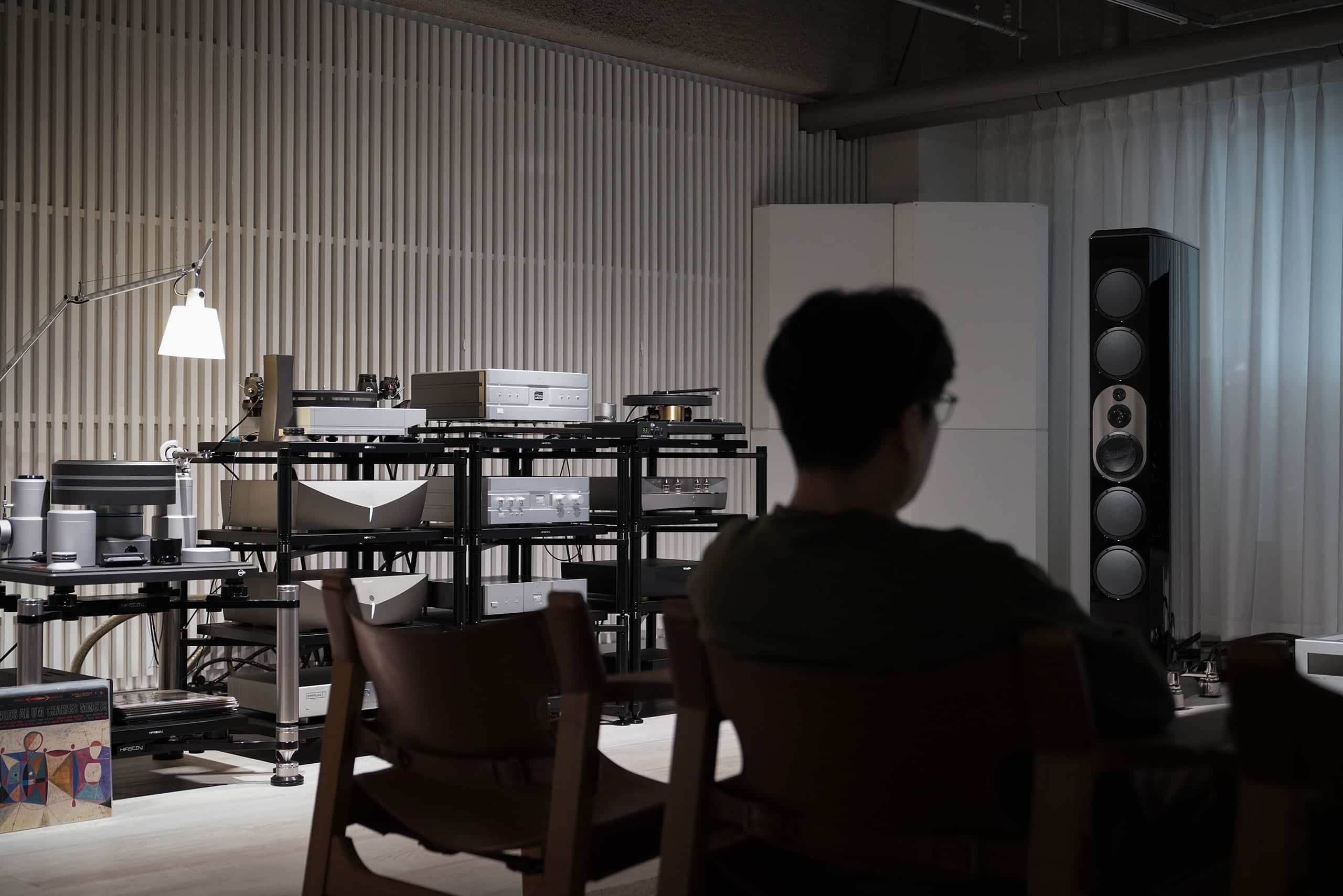
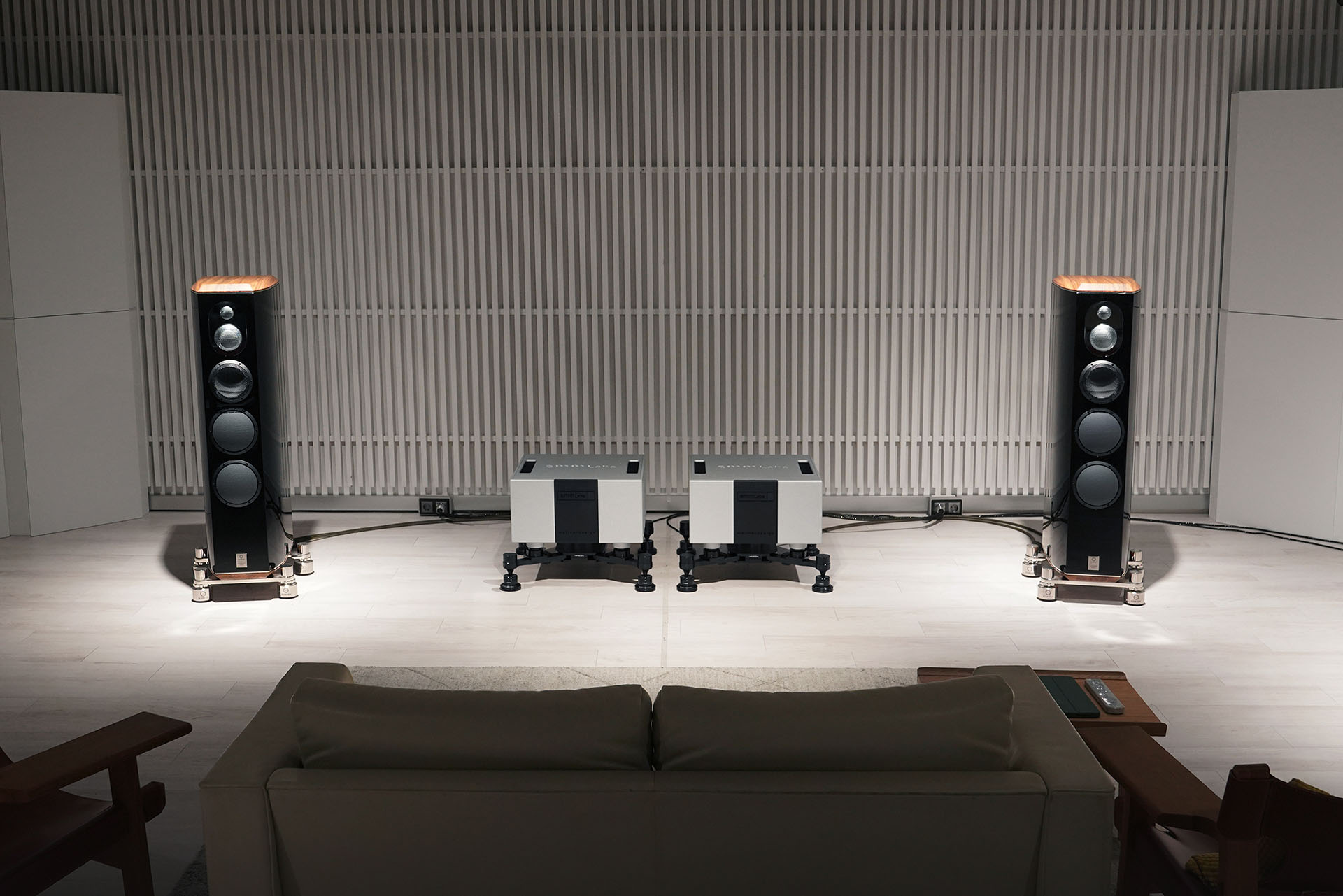
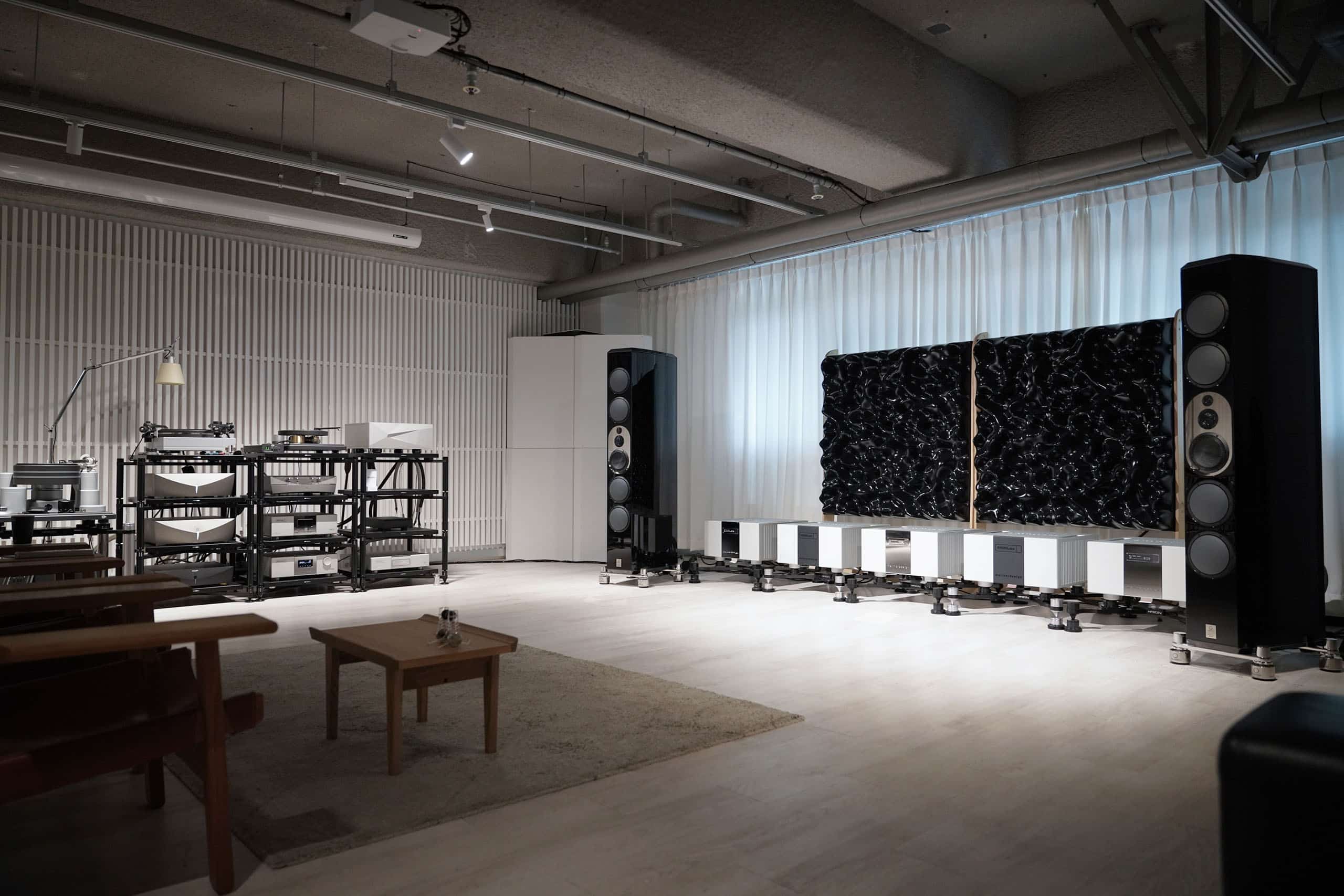
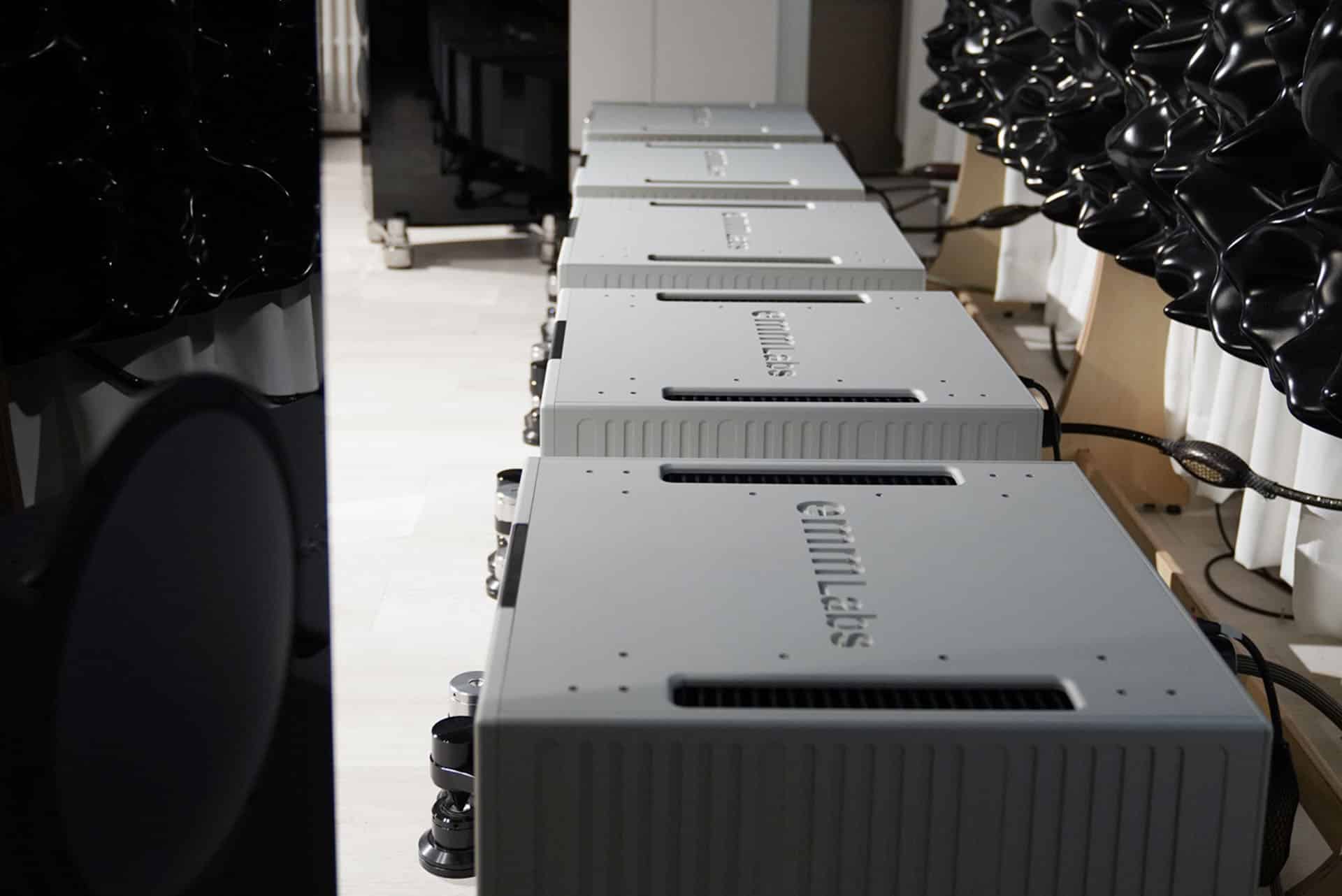
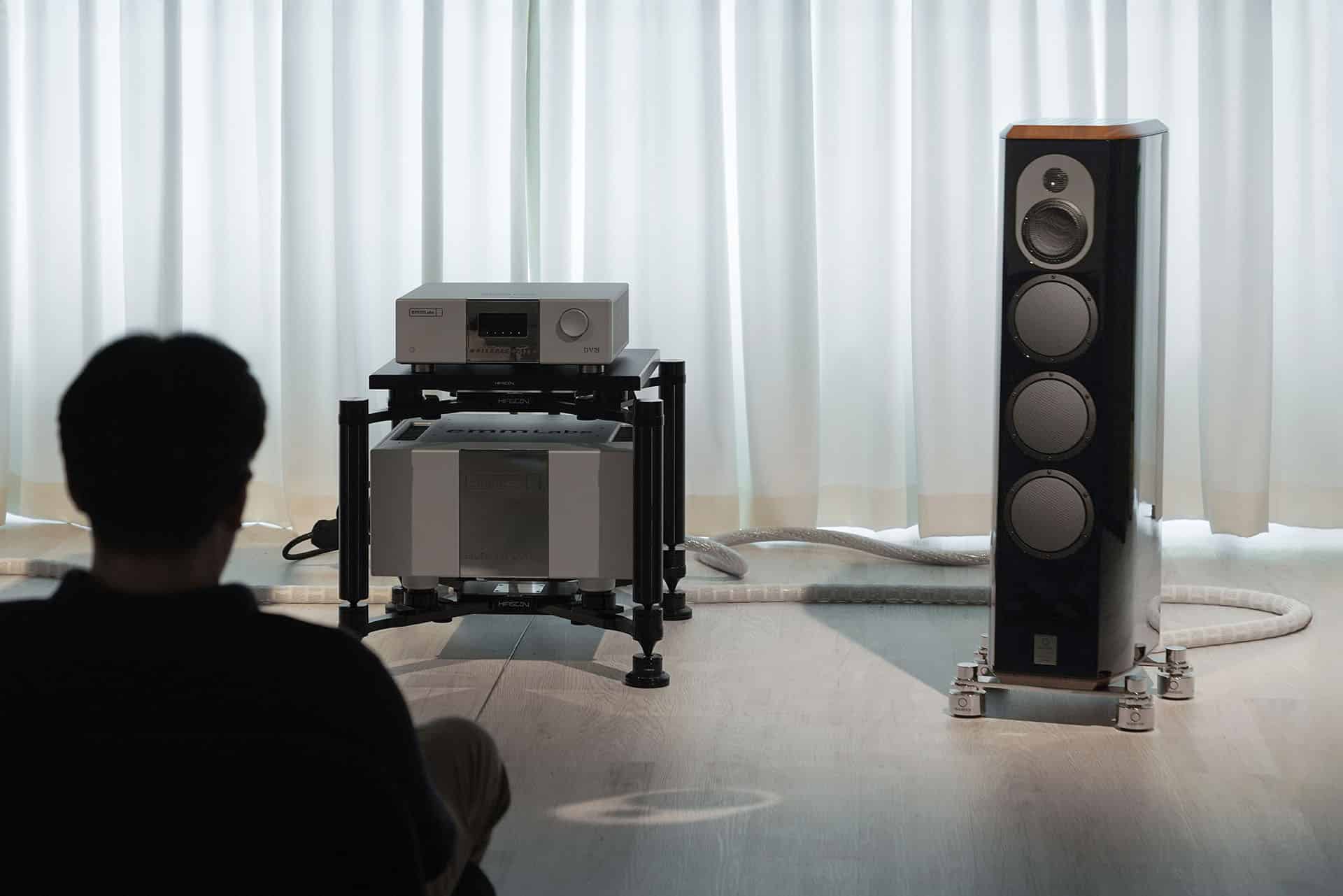
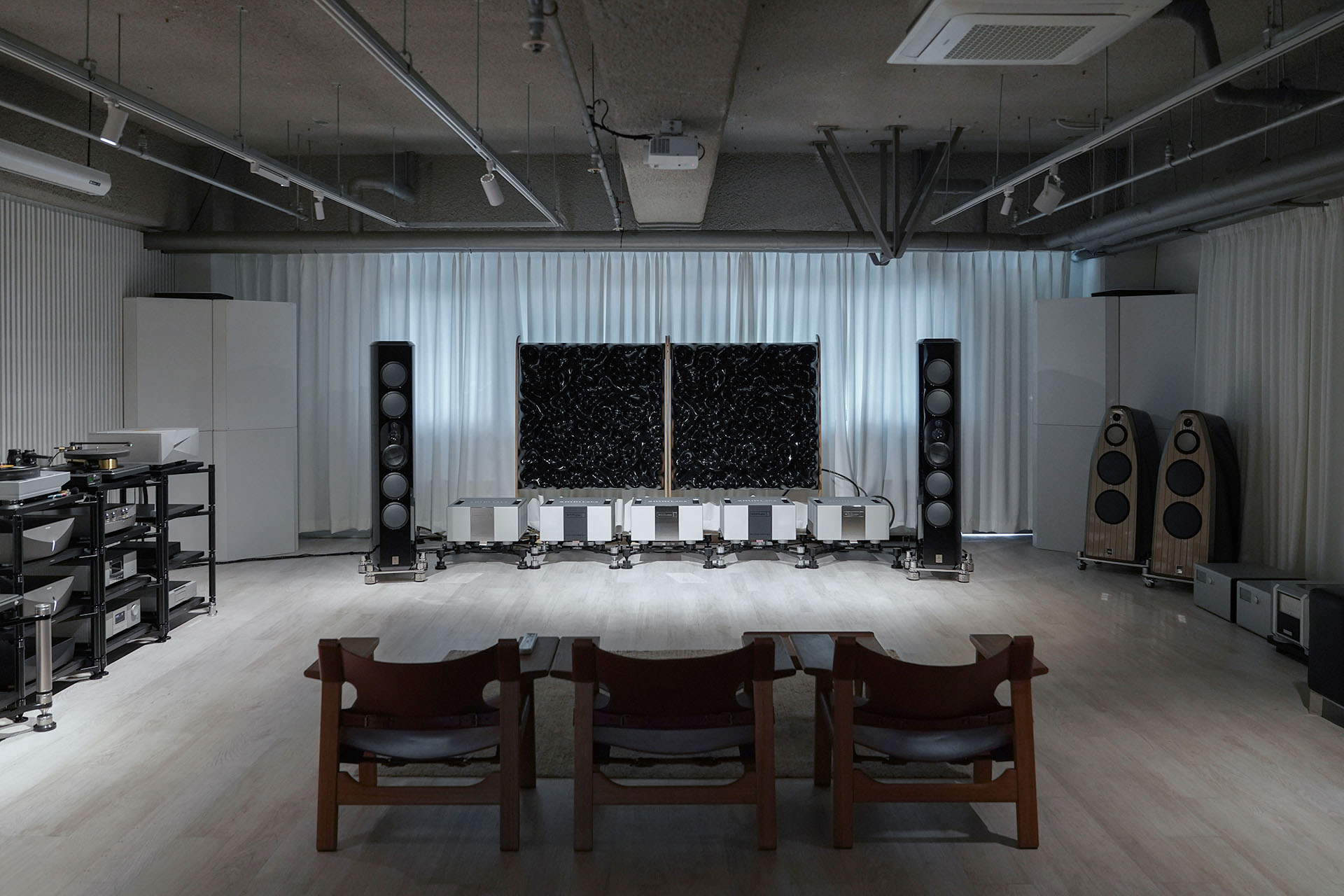
The second system takes that into a larger space. Mingus Orchestra stands in a room of roughly 8.5 by 9 metres, driven by two pairs of EMM Labs amplifiers. It is one of five listening rooms at Cotton, each chosen to be close to the kind of room a customer actually lives in. Here Morris explains how the system came together, and why he doesn’t think of it as finished.
When a Marten speaker is properly driven, I think it becomes almost transparent like water.
Morris Choi, Cotton Audio
The interview
What was the thinking behind this system — what did you want it to say about what’s possible with these brands together?
In 2025, Cotton Audio introduced our first reference system, built around the Marten Coltrane Quintet. For our second reference system, we wanted to take that idea further and create something for people with larger listening spaces. The goal itself was quite simple: to fill a large room with sound that still has real density, substance and presence.
We wanted to see how far we could take that idea by bringing together brands we know and trust, while still keeping the qualities we value in a Marten system.
How do you approach synergy between components when you’re building a system like this?
For us, it always starts with driving the speaker properly with a high-quality amplifier. Once that foundation is there, we work through different combinations to find the right source, cables and supporting components.
The important thing throughout this process is having a reference point. We try to judge everything from as neutral a position as possible, rather than adding character simply for the sake of creating a certain sound.
Then we make small changes, listen, and gradually bring the whole system into balance.
Walk us through how the system came together — what led the process, and how did the rest build around it?
We actually started from what we had learned with Cotton’s first reference system.
When we heard the EMM Labs electronics (MTRX2 V2 + PREi) with the Marten Coltrane (Quintet), we felt we were hearing something that was very true to the character of Marten. That experience became an important reference for us.
So this time, we wanted to take what we had learned and apply it to the larger Mingus Orchestra. One thing we were particularly curious about was bi-amping. With one pair of amplifiers, the Orchestra was already driven extremely well and we were very happy with the result. So naturally the question became: what happens if we use two pairs?
The result surprised us.
It wasn’t simply about playing louder or creating more power. The scale, control and ease of the whole system moved to another level. That experience became an important part of how the system eventually came together.
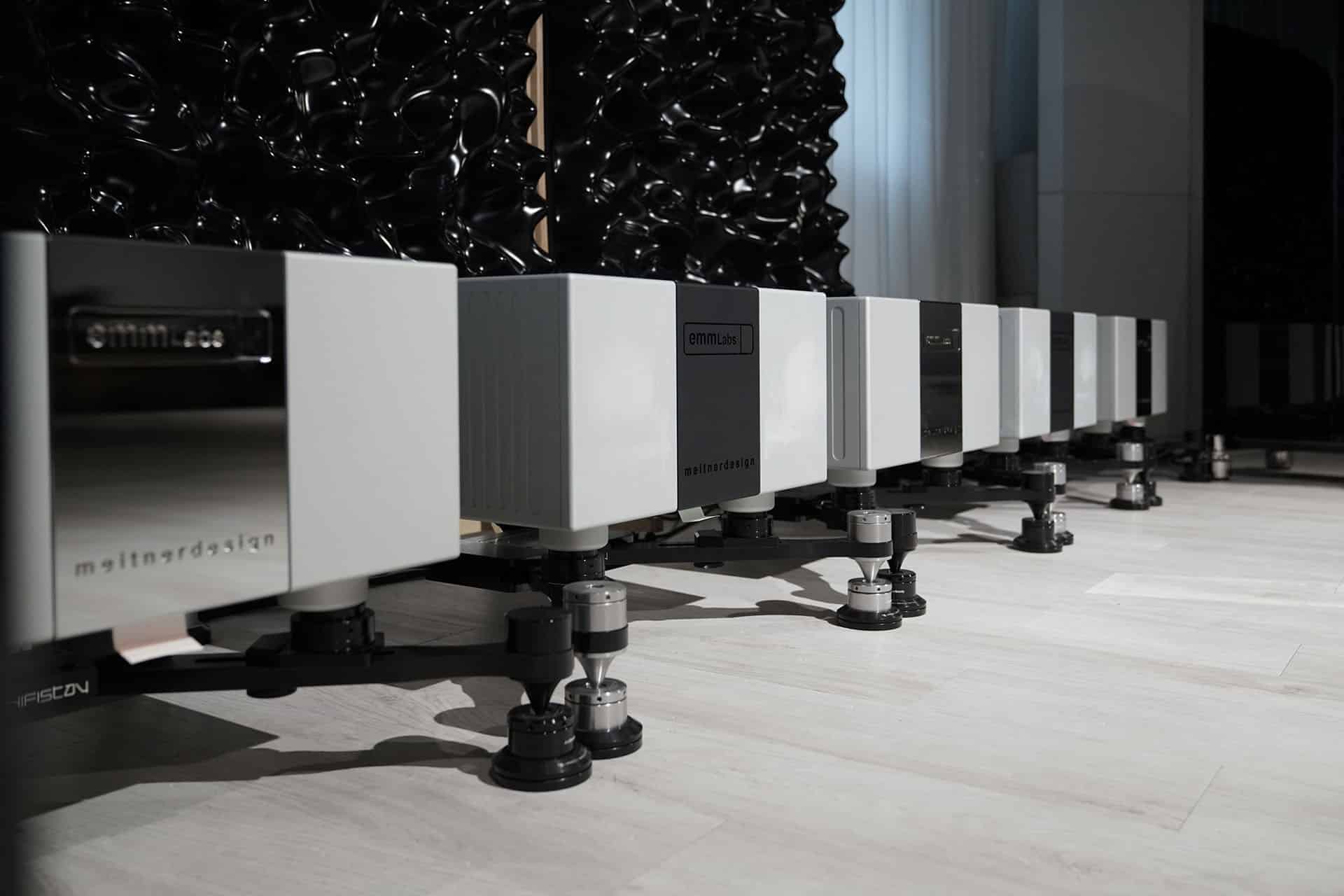
What role does the EMM Labs source play in the character of this system?
When a Marten speaker is properly driven, I think it becomes almost transparent like water. It doesn’t try to impose too much of its own colour, so the character and quality of the source become very easy to hear.
For us, the character of EMM Labs (DA2i) comes from a kind of balance and naturalness that has been refined over many years.
When those two qualities come together — Marten’s transparency and EMM Labs’ natural balance — eventually you stop thinking so much about the equipment. What remains is the music.
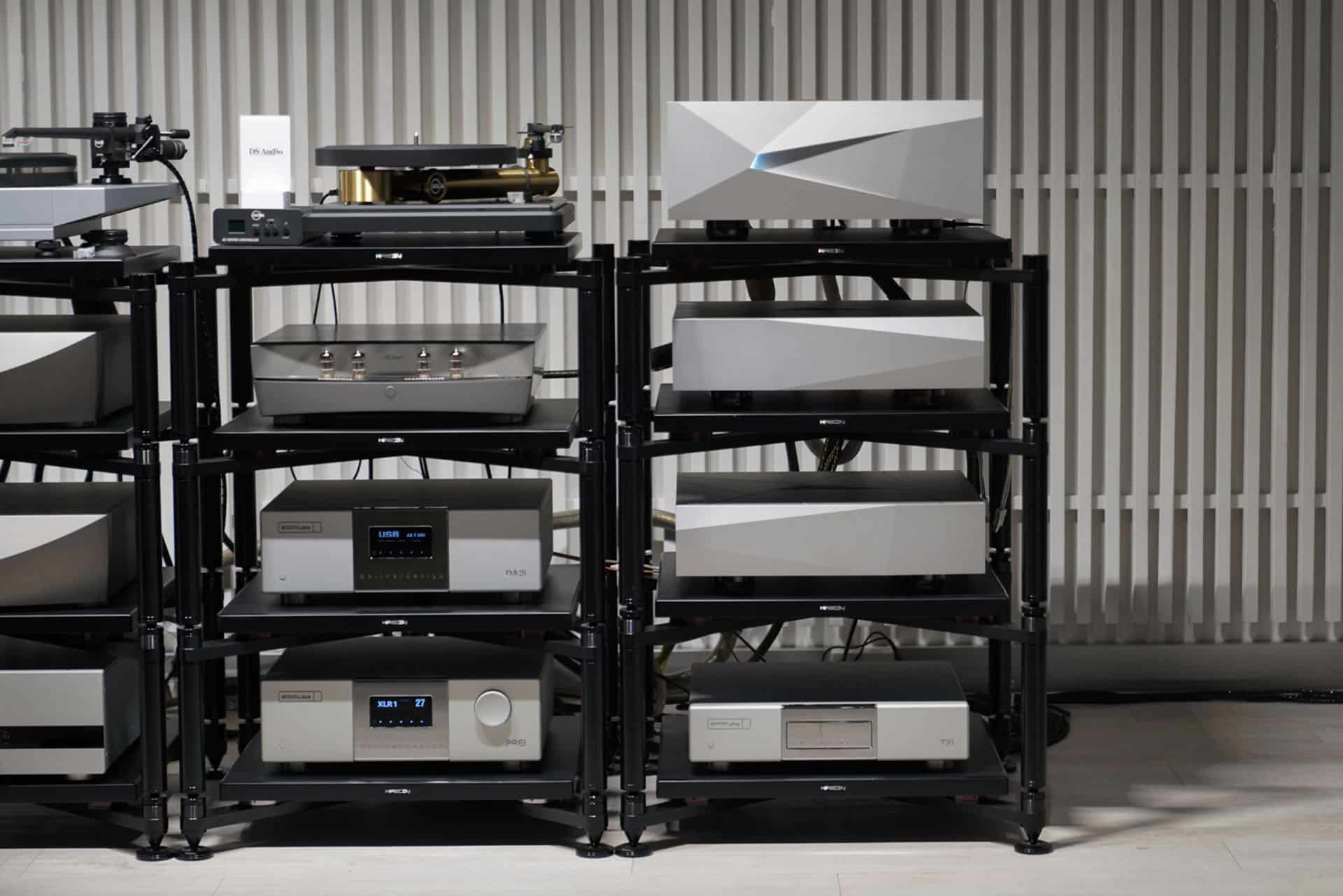
How does Innuos shape the sound of the system?
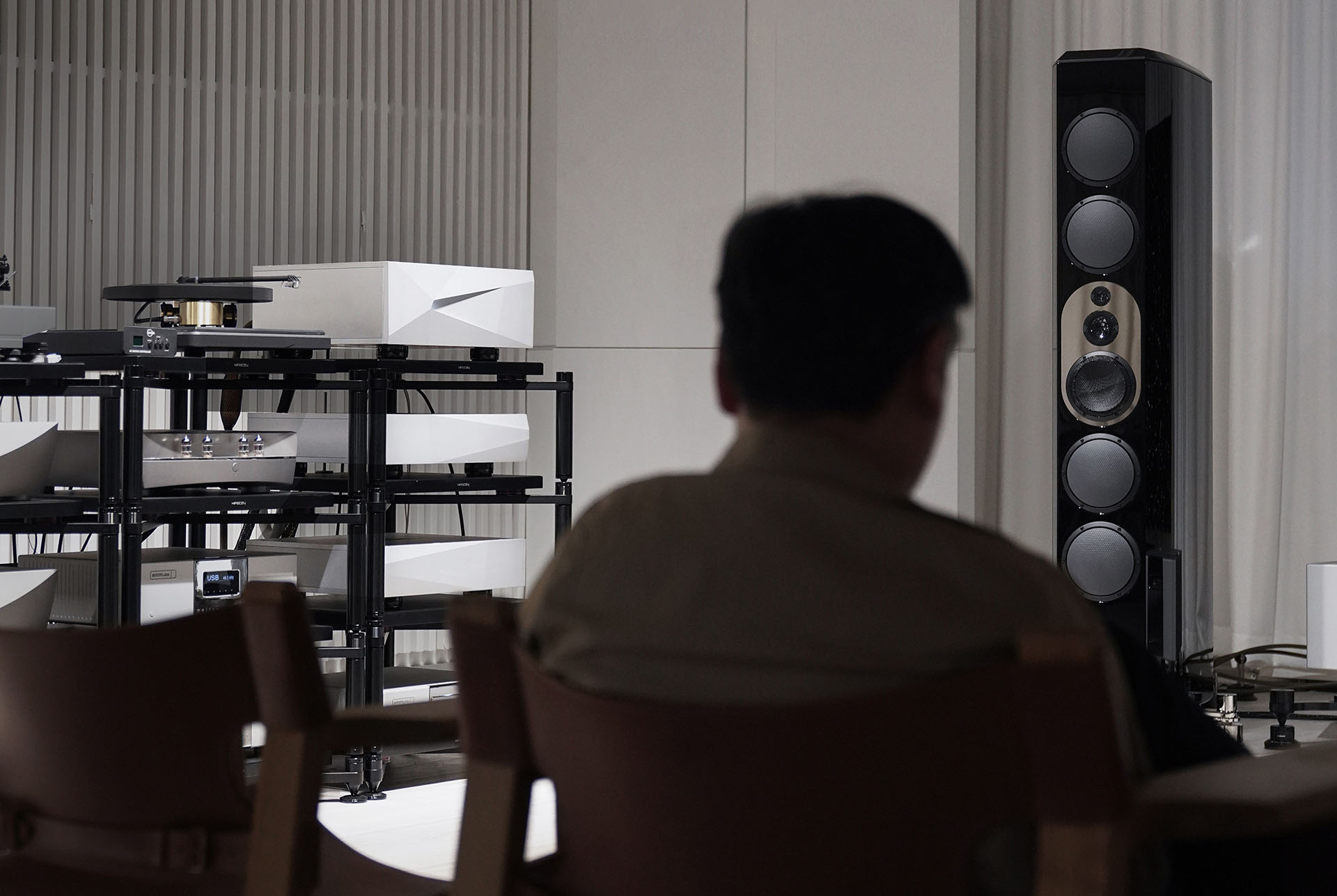
For a large-scale system like this, one of the first things I want from a digital source is resolution.
I sometimes compare it to photography. If you enlarge a low-resolution photograph, very quickly you begin to see what is missing. I think a large audio system can expose a source in much the same way.
The Innuos Nazaré gives us a sound that is extremely detailed, but also dense and substantial. And from that resolution comes something else that is very important in this system: energy.
For me, that combination of fine resolution, density and energy is one of the biggest contributions Innuos makes to the system.
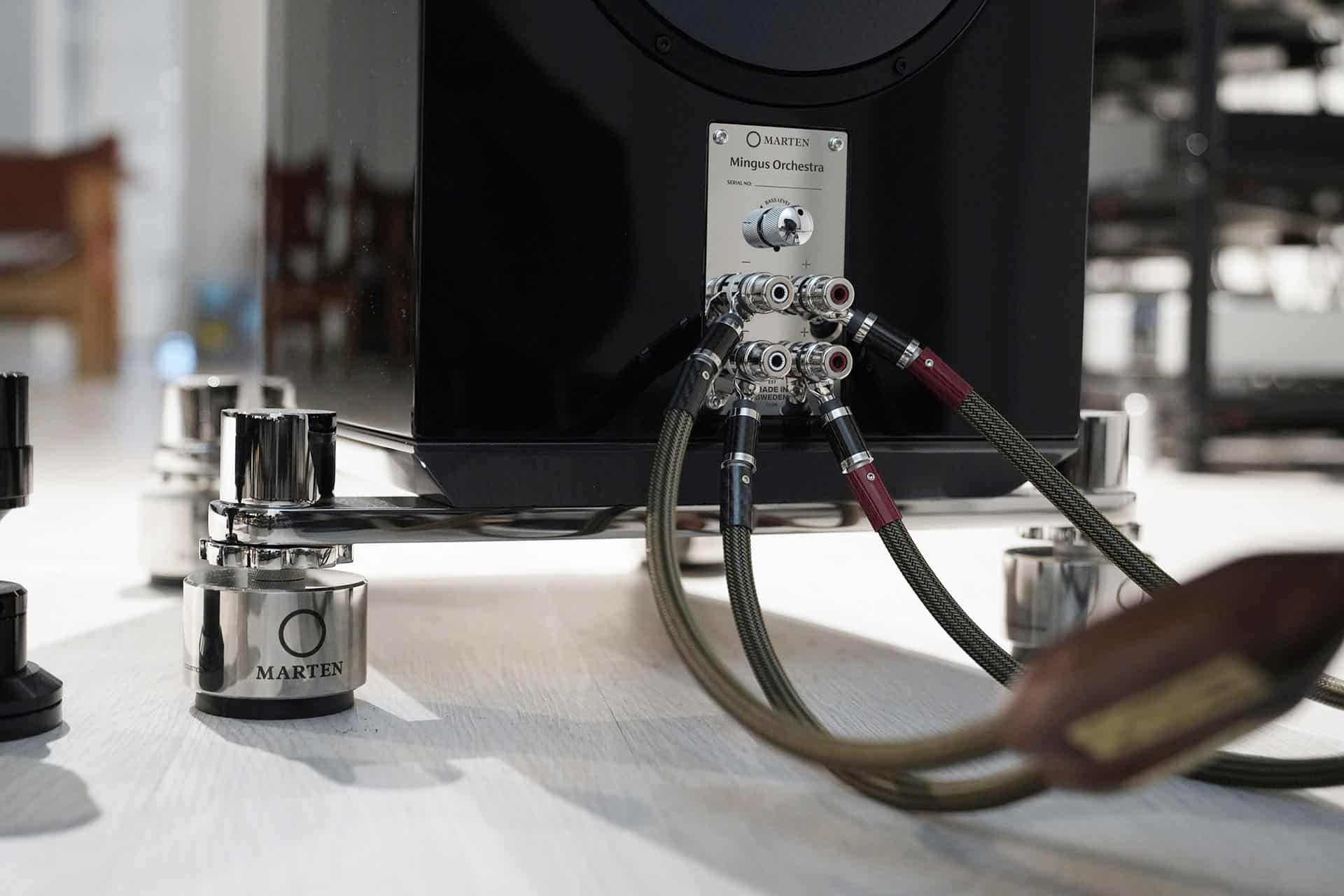
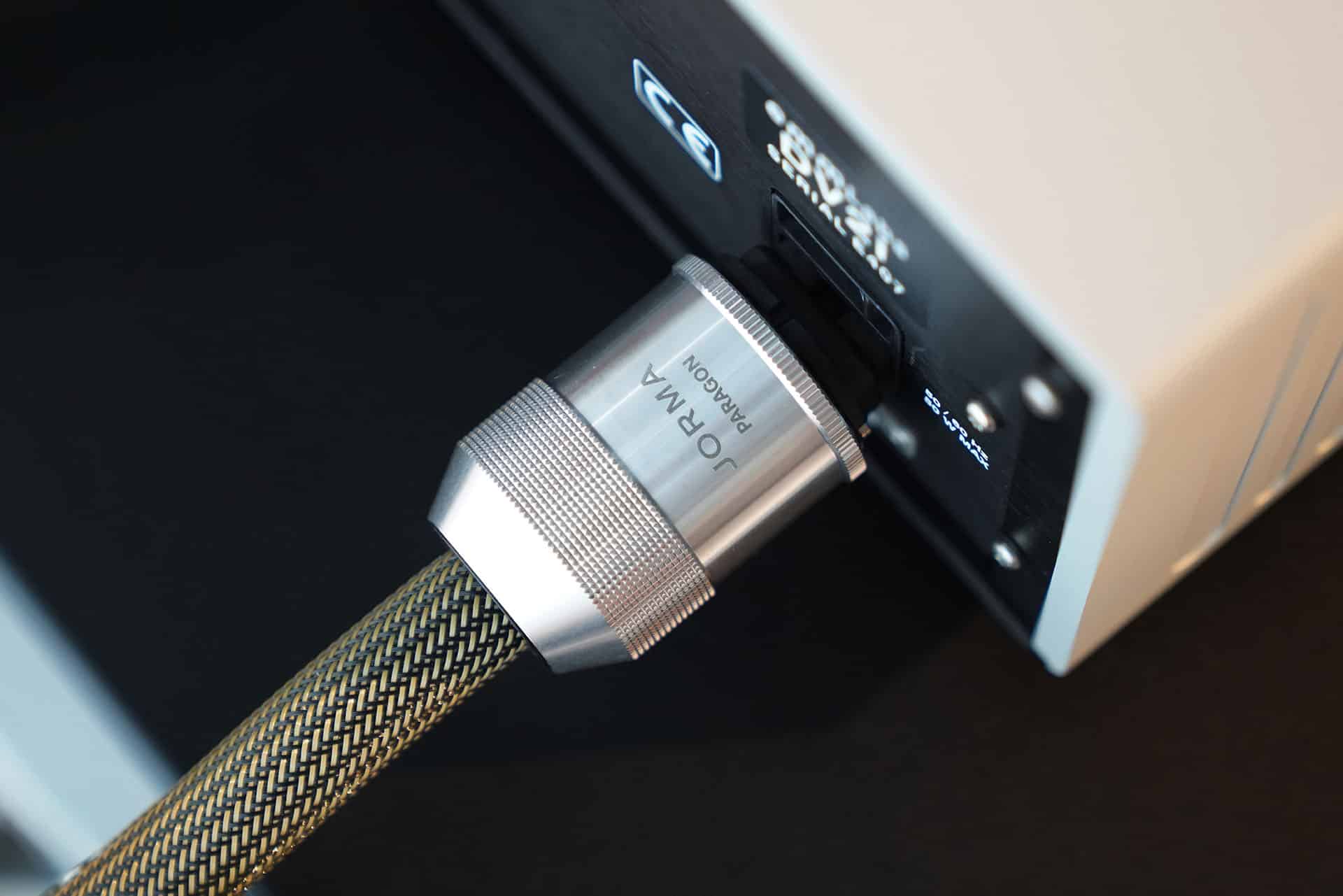
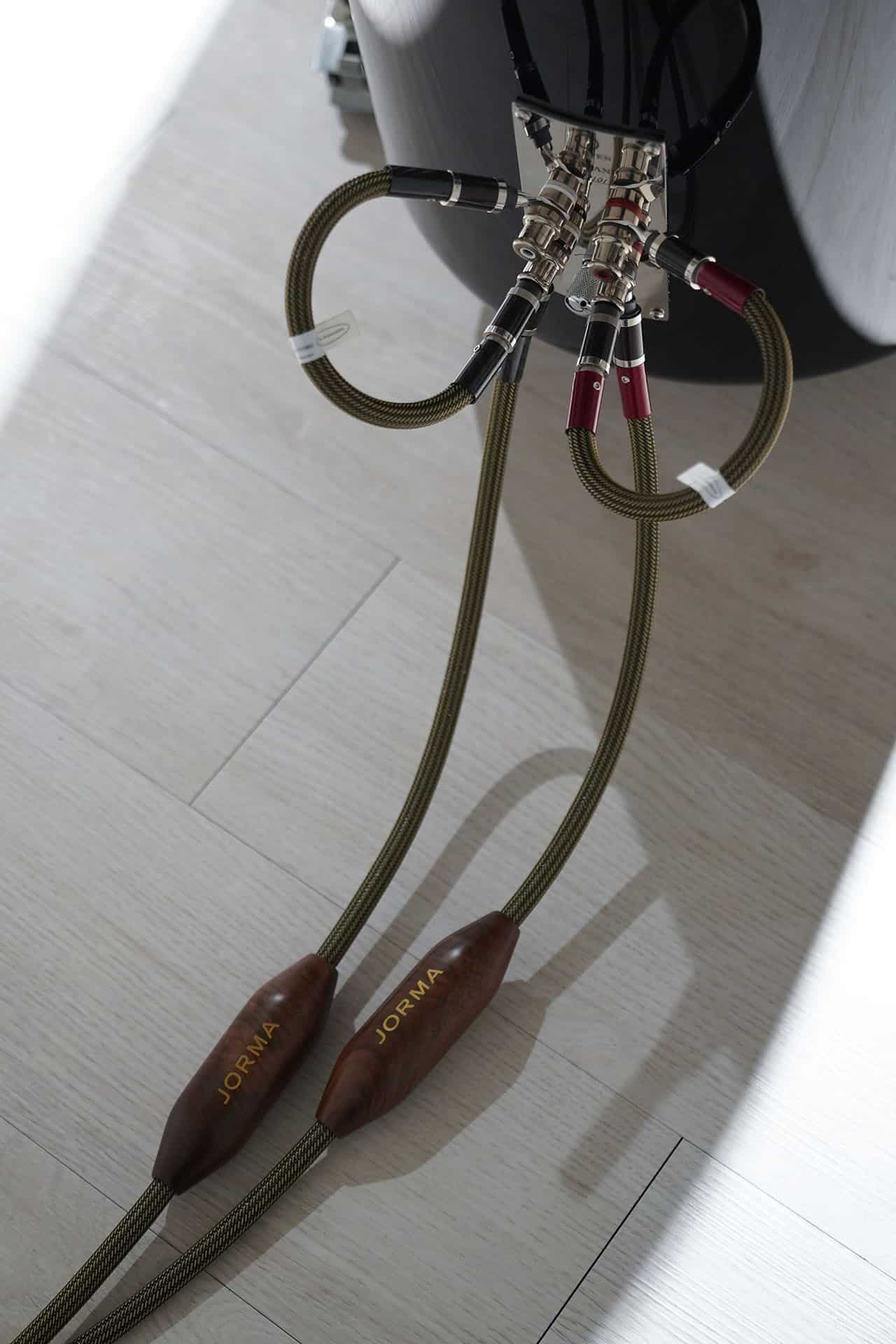
Talk us through the Jorma cabling choices across the system
We chose Jorma primarily for two reasons: quality and neutrality.
The larger and more revealing a system becomes, the less interested we are in using cables to add a particular character. At Cotton, we tend to move in the opposite direction. We want the cable to remain neutral, and then improve the system by increasing its overall level of refinement.
I think the job of a cable is actually quite simple to describe.
The music begins at the source, and the cable should quietly do its job so that as much of that information as possible reaches the drivers of the loudspeaker in its best possible condition. In this system, Jorma Paragon does exactly that. It works quietly in the background — which, for me, is probably the highest compliment I can give a cable.
What changed the most over the course of tuning the system, from first setup to where it sits today?
Our final goal is always to find balance.
A Marten speaker is already designed and built to produce a beautifully balanced sound. Our job isn’t to reinvent that sound. Our job is to reproduce that balance in a real room.
That sounds simple, but of course it isn’t. Every adjustment — positioning, electronics, cables and the room itself — changes that balance a little. And I don’t think we’re completely finished yet.
So perhaps you should come back at the end of the year and hear it again. Then you can tell us whether we’ve found it.
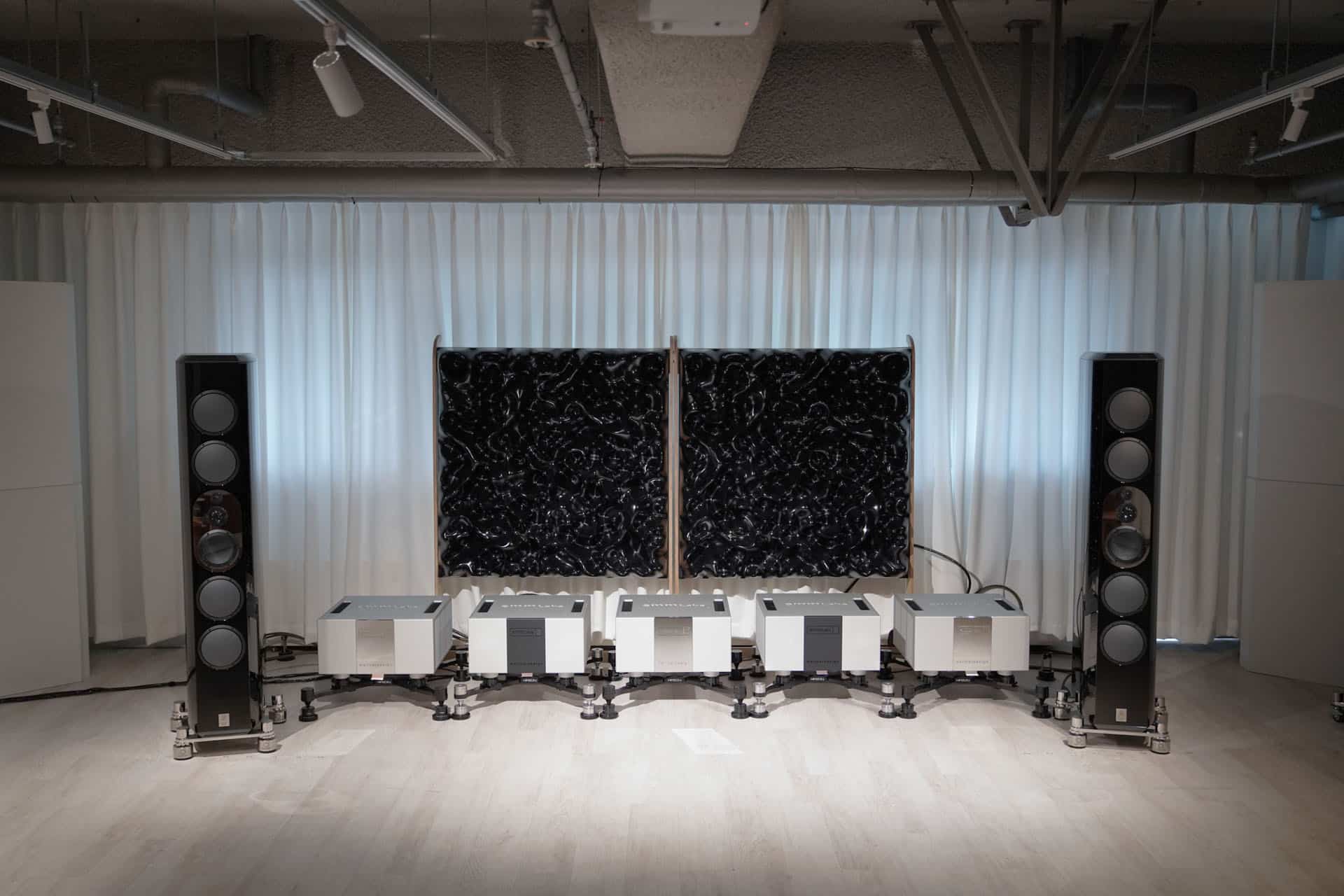
Describe the room — dimensions, treatment, how Mingus Orchestra is positioned within it.
The room is approximately 8.5 × 9 metres, so it is quite close to a square. Acoustically, that’s not exactly the easiest starting point! At the moment, we’re continuing to refine the room together with our Korean acoustic partner, Acoustic Fuser. Rather than trying to solve everything at once, we’re making changes, listening, measuring and gradually improving the environment around the system. So this room — just like the system itself — is still evolving.
If you visit us again towards the end of the year, I think you’ll find a noticeably improved listening environment.
What did the process of finding the right setup look like, and how long did it take to get there?
We’re fortunate in Korea to have many very passionate audiophiles, including a number of experienced Marten owners.
Once we reach a certain point with a setup, we sometimes invite them to listen and give us their impressions. Their feedback can be surprisingly helpful. When you’ve been working on the same system for a long time, another pair of experienced ears can tell you a lot.
Our first reference system took a very long time to complete because almost everything had to be prepared and refined — from the room itself to the equipment. With this second system, we already had the experience, the equipment and many of the resources in place. So we were able to reach a very satisfying result much more quickly.
Of course, as audiophiles, I’m not sure we ever really say, “Now it’s finished.”
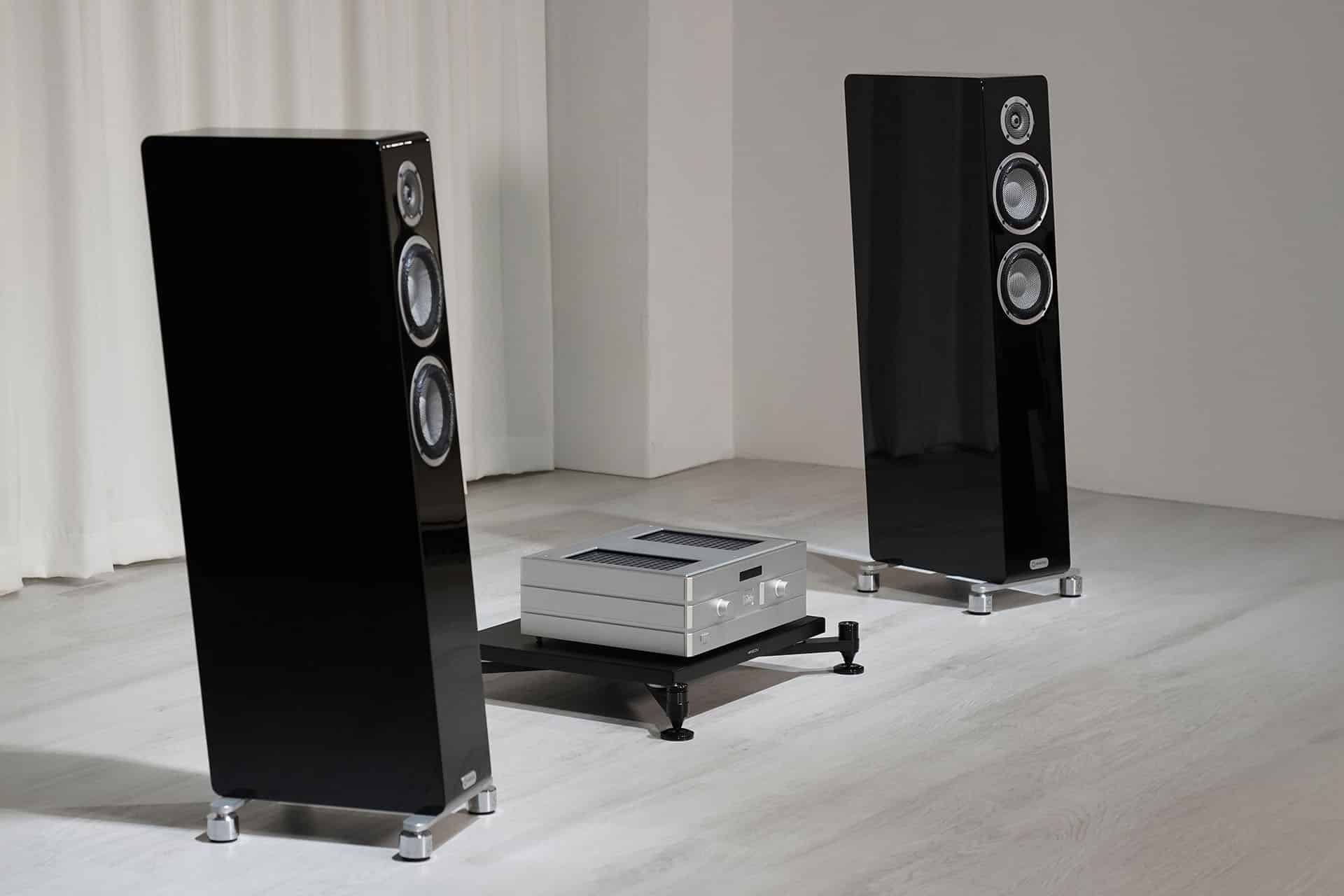
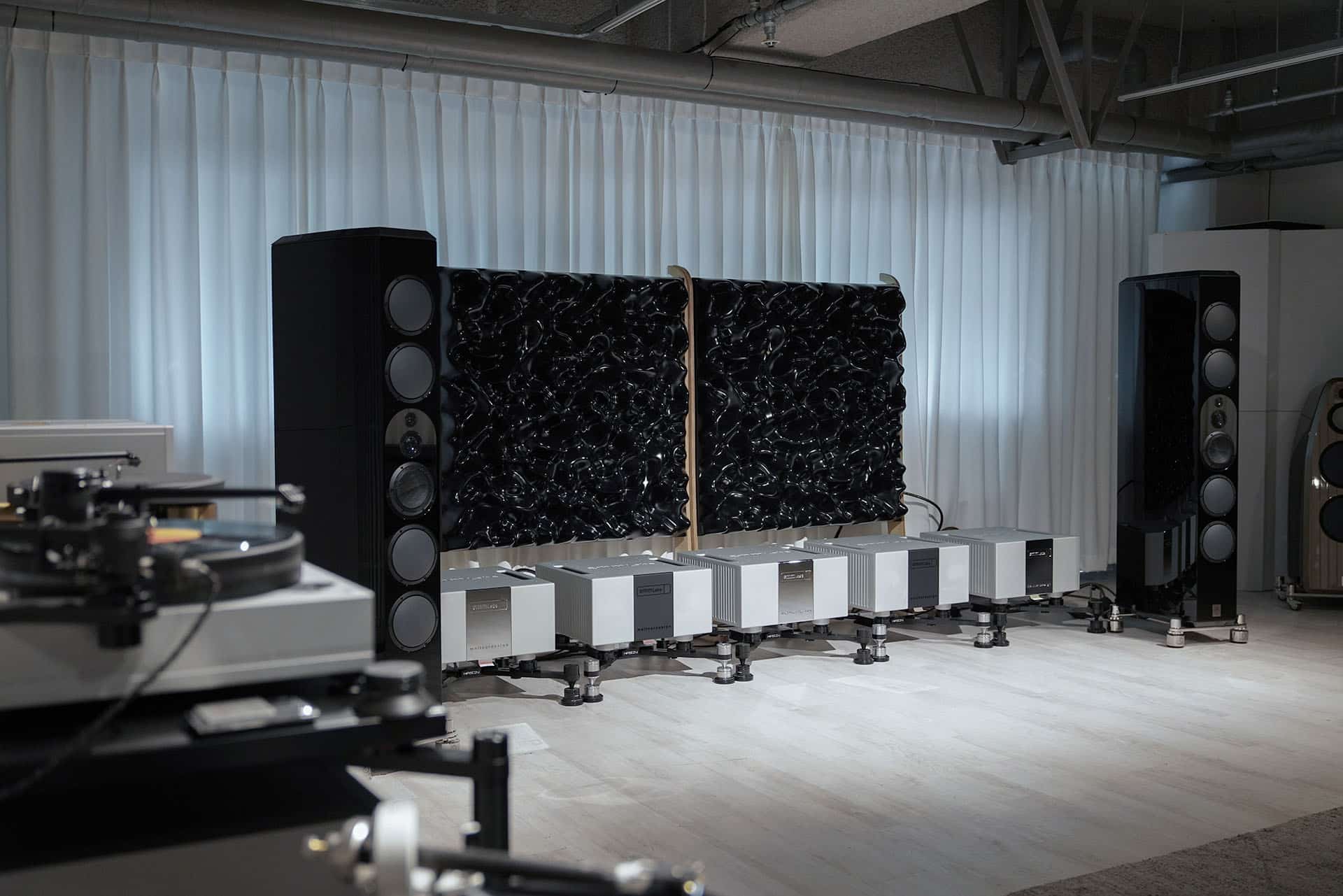
How does each of your three systems (Mingus Orchestra, Oscar Trio, Parker Trio) serve a different purpose at HQ?
We always try to recommend a system according to the size and purpose of the customer’s actual listening space.
Cotton Audio has five different listening rooms. This allows customers to experience a speaker in an environment that is reasonably close to their own home, rather than hearing everything in one large demonstration room. The Mingus Orchestra, Oscar Trio and Parker Trio each serve different spaces and different requirements, but they are only part of what we keep available. We also have models such as the Mingus Quintet 2 and Parker Duo permanently available for demonstration.
For us, having these different rooms is important because choosing a speaker isn’t only about deciding which model sounds best. It’s about finding the speaker that makes sense in the space where the customer will actually live with it.
How do customers typically move (or not) between the systems when they visit?
We don’t necessarily start by moving a customer from the smallest system to the largest. We start with their room.
First, we choose one of our listening rooms that is closest in size and character to the customer’s own environment. Then we select a speaker of an appropriate scale and begin from there. After that, we choose the amplification, followed by the source and finally the cabling.
So rather than asking, “Which system is the best?”, we try to answer a different question: “Which system is right for this person, in this room?”
What does having all three systems together tell customers about the range?
One of Marten’s strengths is that the range is very three-dimensional.
There isn’t simply one Marten sound offered at different prices. There are different series, different sizes and different approaches that allow us to find the right speaker for very different rooms and listeners.
To explain that properly to a customer, I think you really need different listening spaces. That’s why Cotton has invested in multiple rooms. We want customers to hear the subtle differences between the models rather than simply having us explain those differences to them. With Marten, those differences are worth hearing.
How do customers typically react when they hear the Mingus Orchestra system for the first time?
The reaction we hear most often is surprise at how scale and precision can exist at the same time. A system of this size can obviously create tremendous scale, but what impresses people is that the scale doesn’t come at the expense of detail, control or delicacy.
That makes us very happy, because it’s exactly what we’ve been trying to achieve with this system. And sometimes I think: perhaps this is also what the people who created the Mingus Orchestra intended us to hear. When the customer hears that too, it feels like we’ve done our job properly.
What recordings do you find yourself returning to on this system, and why?
As I mentioned in our previous interview, there is one track I always start with: “Going Home” by Korean vocalist Yuna Kim. It’s almost a routine for me — a quick way to check both my ears and how the system is feeling that day.
But as the scale and capability of a system grows, I naturally find myself reaching for larger orchestral works. A system at this level lets you really enjoy things that are difficult to reproduce convincingly — the scale of the soundstage, its depth and layers, resolution and separation, transparency, texture and presence, and of course those huge swings in dynamics.
Mahler’s Symphony No. 5 is one I return to often. And when I want to give a customer a quick glimpse of what the system can do, I sometimes play Shostakovich’s “The Hunt.” It reveals a lot in a very short time.
But my personal favourite is Schubert’s “Unfinished” Symphony, and for a very personal reason. When I was young, I performed it as a member of a children’s orchestra. So whenever I hear it, it brings back memories of actually being inside the orchestra and making that music together. Maybe that’s why, no matter how many systems I listen to or how many recordings I discover, the “Unfinished” always remains special to me.
* * *
The question Morris keeps asking is less about which system is best than which one suits a particular person and room. We ask the same thing. It is why the range spans different series, sizes and approaches rather than one sound at different prices, and why it matters that people can hear those differences for themselves.
The room is still changing, and Cotton has asked us to come back towards the end of the year. We look forward to hearing where it has got to.
About Cotton Audio
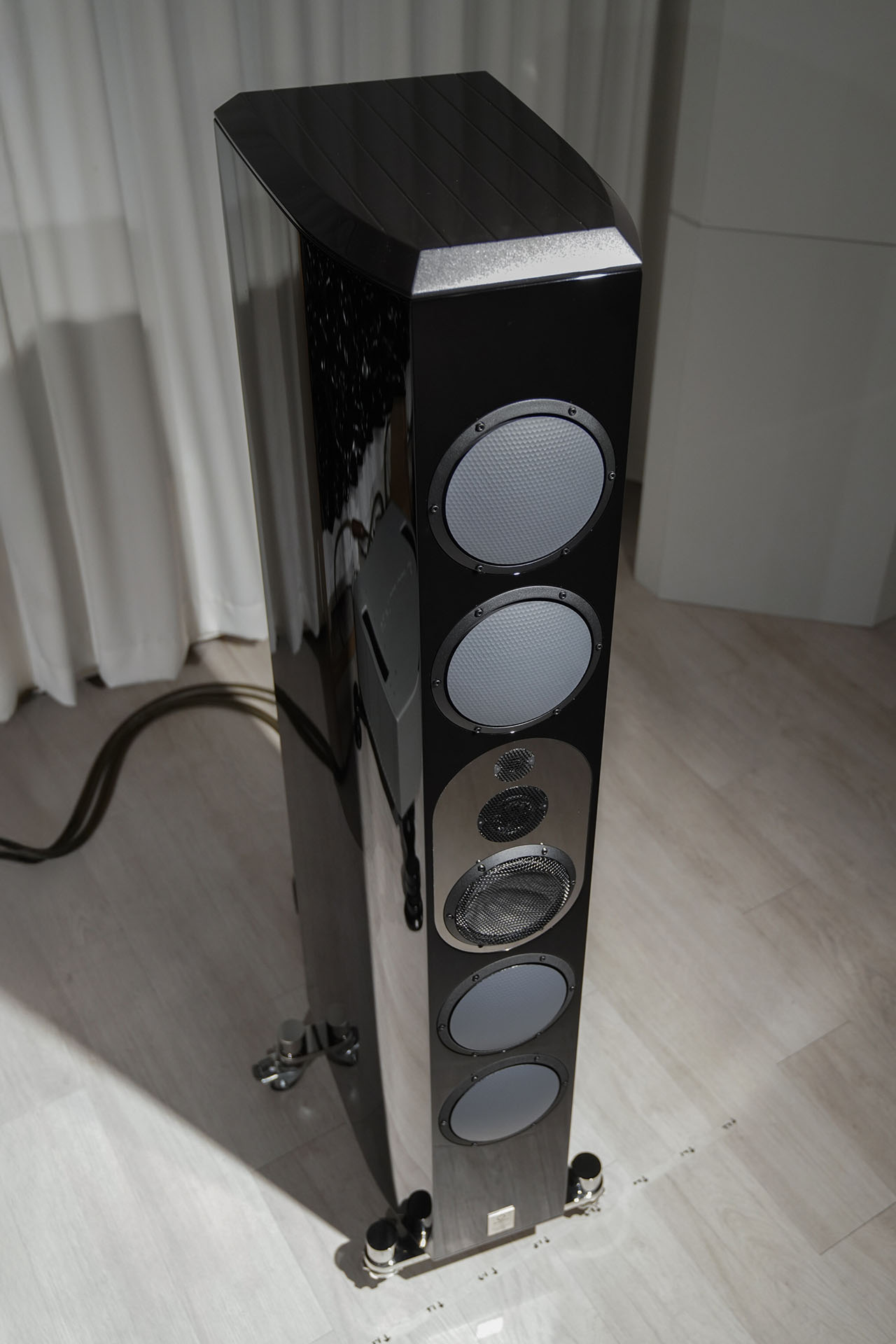
Cotton Audio is Marten’s distributor in South Korea. Its showroom in Seoul has five listening rooms, where Mingus Orchestra, Mingus Quintet 2, Oscar Trio, Parker Trio and Parker Duo can all be auditioned.
Photographs by Cotton Audio
Continue